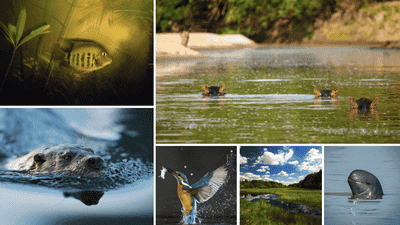

When we think of biodiversity, lush rainforests and vibrant coral reefs often come to mind. However, deserts, traditionally viewed as barren wastelands, are increasingly recognized for their rich and diverse ecosystems.
The world's oceans, often referred to as the lungs of the planet, play a crucial role in regulating climate and supporting life. While much attention has been focused on issues like climate change, plastic pollution, and overfishing, an insidious and growing threat is quietly unfolding beneath the waves: ocean deoxygenation.
As global climate patterns shift, the phenomenon of desertification poses significant challenges to ecosystems, agriculture, and human livelihoods. One of the most visually striking manifestations of this issue is the encroachment of sand dunes into previously fertile areas, threatening biodiversity and destabilizing local communities.
Ecotourism has emerged as a popular alternative to traditional tourism, often marketed as a sustainable travel option that emphasizes conservation and environmental awareness. The idea is simple: by exploring natural areas, travelers can contribute to conservation efforts and support local communities.
Peatlands, often overlooked in discussions about climate change, are among the most important ecosystems on the planet. These waterlogged areas, which are primarily found in boreal, temperate, and tropical regions, act as critical carbon sinks, storing more carbon than all the world’s forests combined.