The concept of de-extinction—reviving species that have gone extinct—was once relegated to the realm of science fiction, but recent advancements in genetic engineering and biotechnology have brought this idea closer to reality.
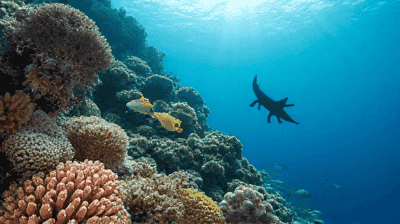
In recent decades, the world has witnessed an alarming rate of biodiversity loss and ecosystem degradation. From the disappearing rainforests of the Amazon to the bleaching coral reefs of the Great Barrier Reef, the signs of ecological collapse are becoming impossible to ignore.
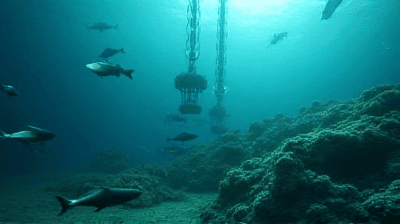
Marine ecosystems are among the most diverse and productive on the planet, providing invaluable resources and services that support human life and the health of the environment. However, these vital ecosystems are under siege from overfishing, habitat destruction, pollution, and climate change.
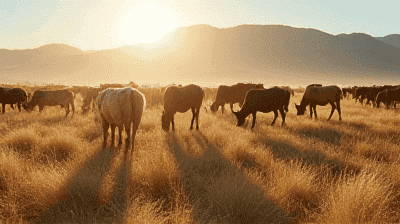
In an era when climate change and water scarcity pose significant challenges to agriculture and livelihoods, innovative solutions rooted in ancient practices are gaining renewed attention. One such method is fog harvesting, a sustainable technique that has been used for centuries in arid regions around the world.
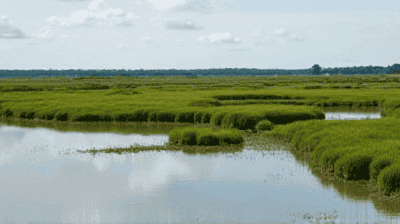
As the world faces a biodiversity crisis of unprecedented proportions, understanding the health of ecosystems is more crucial than ever. Many species are in decline, and ecosystems are under threat from climate change, habitat destruction, and pollution.